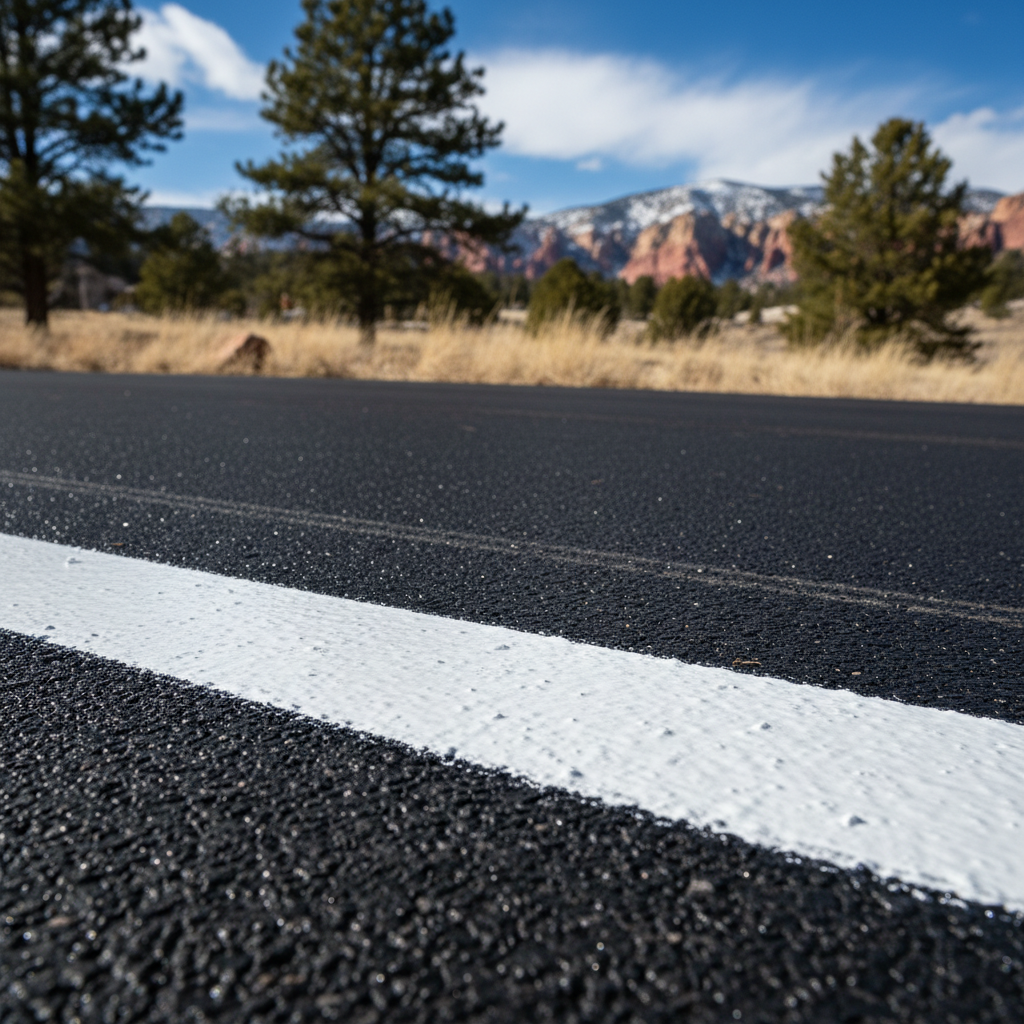
Alright, let's talk striping. Most folks think of parking lots when they hear 'asphalt striping,' but it's a big deal for homeowners too, especially if you've got a long driveway, a shared private road, or even a basketball court on your property. I get a lot of similar questions from homeowners around Colorado Springs, so I figured I'd just lay out the answers for everyone. No marketing fluff, just the straight goods from someone who's been doing this a long time.
Do I even need striping on my home's asphalt?
That's a fair question. For a simple, short driveway, probably not. But if your asphalt surface is long, winding, or serves multiple purposes, striping makes a huge difference. Think about it: clear lines guide visitors, mark parking spots, define play areas, or even indicate where not to drive. It's about safety, organization, and frankly, making your property look a lot more put-together. If you've got a private road shared with neighbors, striping is almost a must for traffic flow and safety.
What kind of paint do you use for residential striping? Is it different from commercial?
Good question. We use specialized traffic paint, often called 'road marking paint.' It's designed to be durable, weather-resistant, and highly visible. For residential jobs, we typically use water-based acrylic paints. They're environmentally friendlier, dry fast, and hold up really well to Colorado's intense sun and freeze-thaw cycles. It's generally the same high-quality paint we'd use for a commercial parking lot, just applied on a smaller scale. We're not using house paint out there, that's for sure.
How long does asphalt striping last around here?
That really depends on a few things. The quality of the paint, the preparation of the surface, and how much traffic it sees. For a residential driveway or private road, you can typically expect striping to last anywhere from 2 to 5 years. Areas with heavy vehicle traffic, like a turnaround spot, might fade faster. Our harsh Colorado sun and the grit from snowplows in areas like Black Forest can definitely take their toll. If the asphalt itself is in good shape and you're not constantly driving over the lines, it'll hold up longer.
Can you stripe over old, faded lines? Or does it need a fresh start?
Most of the time, yes, we can stripe right over existing, faded lines. We'll clean the surface thoroughly first to ensure good adhesion. If the old lines are really caked on or chipping badly, we might need to do some light scraping or grinding to create a smoother surface. The goal is always to get a crisp, clean line that lasts. Sometimes, if the layout needs to change, we might have to black out old lines, but that's less common for residential work.
What's the process like? How long does it take?
It's pretty straightforward. First, we'll clean the asphalt surface where the striping will go – get rid of any dirt, dust, or loose debris. Then, we'll lay out the design using chalk lines or string to make sure everything's straight and spaced correctly. Once we're happy with the layout, we use specialized striping machines to apply the paint. These machines ensure uniform thickness and crisp edges. For most residential jobs, we can be in and out in a few hours, depending on the complexity and size. Drying time is usually quick, often just 30 minutes to an hour, but we'll always advise you on when it's safe to drive on it.
What about custom designs? Can you do a basketball court or something unique?
Absolutely! While most residential striping is for parking or guiding traffic, we love doing custom work. Basketball courts, pickleball courts, hopscotch for the kids, even decorative lines to enhance a patio area – we can do it. Just tell us what you're envisioning. We'll work with you to plan out the design and make sure it's functional and looks great. It's a fun way to personalize your asphalt space.
When's the best time of year to get striping done in Colorado Springs?
The best time is when it's dry and the temperatures are consistently above 50°F (10°C). Here in Colorado Springs, that usually means late spring, summer, and early fall. We need the asphalt to be dry and warm enough for the paint to cure properly. Trying to stripe when it's too cold or damp leads to poor adhesion and a much shorter lifespan for your lines. We've got plenty of good weather windows, so it's usually not a problem to schedule it when conditions are right. If Alpha Asphalt Company is doing your sealcoating, we can often do the striping right after that's cured.