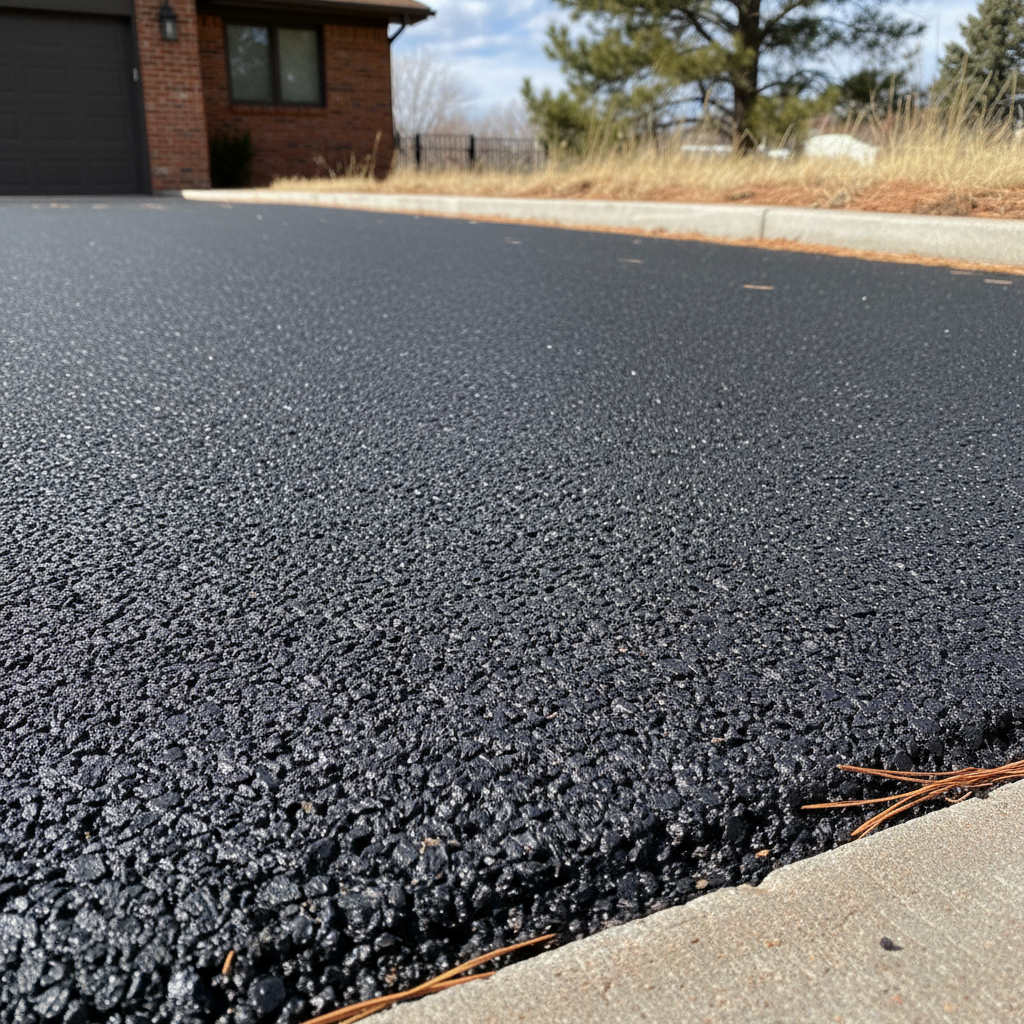
Thinking Commercial Asphalt for Your Home? Let's Talk.
Alright, so you're looking at your driveway or maybe a big pad for an RV or a new workshop, and you're thinking, "Why not go commercial-grade?" It's a solid idea, especially here in Colorado Springs where our weather can really put a beating on things. You want something that lasts, and commercial asphalt definitely fits that bill. But before you jump in, let's break down what you need to know, what you can realistically do yourself, and when it's just smarter to call a crew like Alpha Asphalt Company.
Before the Shovels Hit the Dirt: Planning Your Project
This is where most of the homeowner's heavy lifting happens, even if you're hiring out the paving itself. You've got to figure out what you actually need. Is it just a standard driveway? Or are we talking about a larger area that's going to see heavier loads, like a delivery truck or a big camper? That's the difference between a residential-spec asphalt and a commercial one. Commercial asphalt typically means thicker layers, stronger aggregate mixes, and often a more robust base.
Here's what you should be thinking about:
- Permits: Don't skip this. Especially if you're expanding your paved area significantly or changing drainage patterns. Colorado Springs has rules, and you don't want to get hit with a stop-work order. Check with the city's planning department.
- Drainage: This is huge, especially with our afternoon summer thunderstorms and spring snowmelt. Water is asphalt's enemy. You need to plan for proper slope and drainage away from your home and any other structures. This isn't just about preventing puddles; it's about protecting your asphalt's base from erosion. If your property has a lot of clay soil, common in some older areas of town, good drainage is even more critical because that clay holds water and can cause real problems with freeze-thaw cycles.
- Base Prep: This is the foundation, literally. A good commercial asphalt job starts with an excellent base. For homeowners, you might be able to handle clearing the area, removing old concrete or gravel, and even some basic grading if you're handy with a bobcat or a shovel. But getting the sub-grade compacted correctly and laying down a proper aggregate base (like crushed rock) to the right thickness and compaction? That's usually where the pros come in. We've got the heavy equipment to do it right.
- Utilities: Know where your lines are! Water, sewer, gas, electrical, internet. Call 811 before you dig. Always.
During the Project: What to Expect and When to Step Back
Once the planning is done and the base is ready, it's paving time. This is almost always a job for the pros. Here's why:
- Equipment: We're talking about asphalt pavers, rollers, dump trucks, and specialized tools. You can't rent this stuff at Home Depot.
- Material Handling: Asphalt comes hot, usually around 300 degrees Fahrenheit. It needs to be laid and compacted quickly before it cools. This isn't a leisurely weekend project.
- Expertise: Laying asphalt evenly, achieving the right compaction, creating smooth seams, and getting the correct slope for drainage takes experience. A poorly laid asphalt surface will crack and fail much faster, costing you more in the long run.
So, what can you do during this phase? Stay out of the way, mostly. Make sure the crew has access, keep pets and kids clear, and be available for any questions. If you've hired a reputable company, they'll handle the rest.
After the Paving: Maintenance for Longevity
Okay, the new asphalt is down, it looks great, and you're proud of it. Now what? This is where you, the homeowner, can really shine and extend the life of your investment.
- Curing Time: Don't drive on it immediately. Your contractor will tell you how long to wait – usually a few days for light traffic, longer for heavy vehicles.
- Sealcoating: This is your asphalt's sunscreen and rain jacket. A good sealcoat protects the surface from UV rays, water penetration, and oil spills. I recommend sealcoating every 2-3 years, depending on traffic and exposure. It's a DIY job if you're up for it and have a smaller area, but for larger commercial-grade surfaces, you might still want to hire it out for a professional finish.
- Crack Sealing: Small cracks will appear over time, it's just a fact of life with asphalt, especially with our freeze-thaw cycles here in the Springs. Don't let them get big. Fill them promptly with a good quality crack filler. This prevents water from getting into the base and causing bigger problems.
- Cleaning: Keep your asphalt clean. Sweep off debris, leaves, and dirt regularly. Oil and gas spills should be cleaned up immediately to prevent damage.
Going with commercial-grade asphalt for your home is a smart move for durability. Just make sure you understand the scope of the work, what you can realistically do, and when it's time to call in the pros. If you're in Colorado Springs and thinking about a big asphalt project, give Alpha Asphalt Company a call. We're happy to talk through your options and give you a fair quote.
```