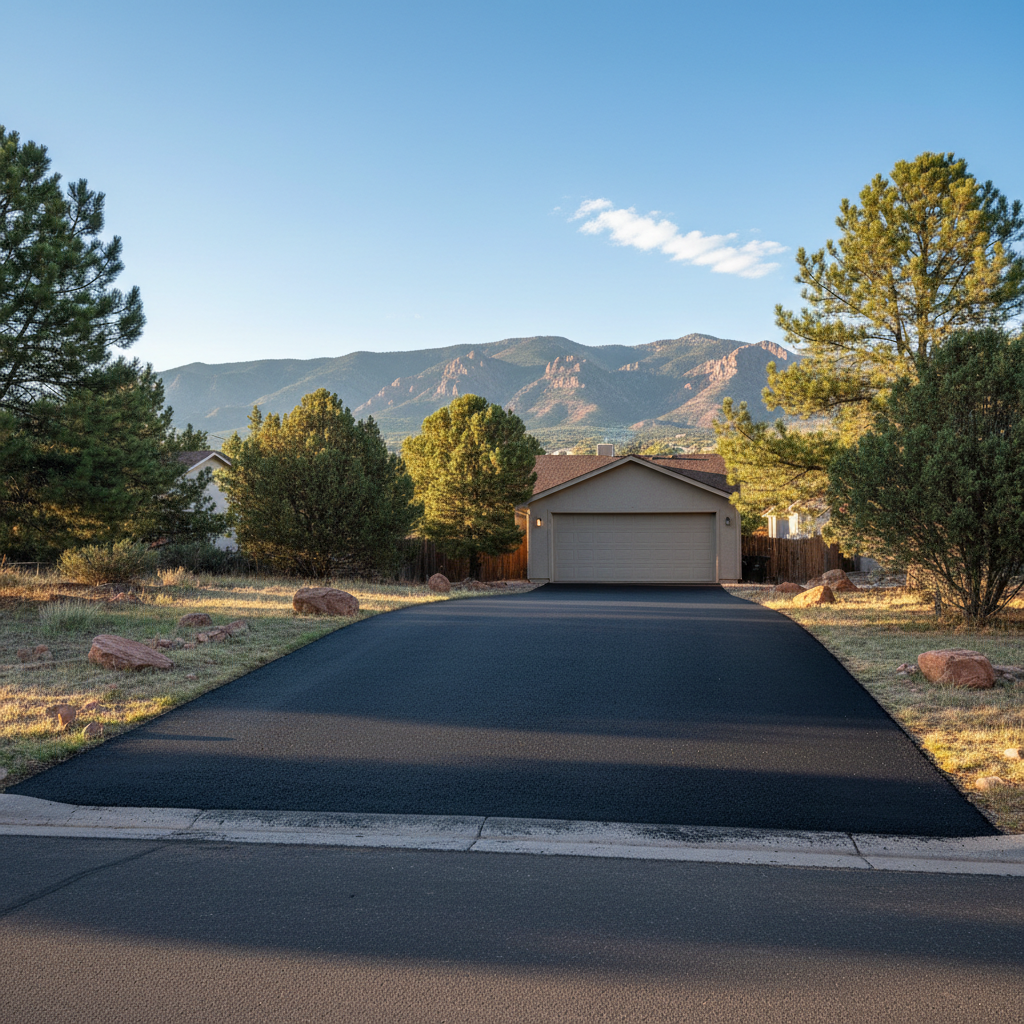
So, you're thinking about a new driveway, maybe those old cracks are finally getting to you, or you're just putting in that dream garage. Awesome! But before you dive in, let's chat about some of the biggest blunders I see folks make when they're planning or hiring for a paving job right here in Colorado Springs.
Mistake #1: Only Looking at the Cheapest Price
This one's probably the most common. Everybody wants a good deal, I totally get that. But when it comes to asphalt paving, the lowest bid almost never turns out to be the best one. Just think about it for a second: if one contractor is way cheaper than everyone else, how are they pulling that off? They're cutting corners, plain and simple. That could mean they're using less material, thinner asphalt, or recycled aggregate that isn't really up to snuff. Or maybe they're skipping crucial prep work, like properly compacting the sub-base. You'll just end up with a driveway that cracks, sinks, or just falls apart way sooner than it should. Then you're paying again to fix or replace it. It's not a deal if you have to do it twice, is it?
Mistake #2: Skipping Good Site Preparation
A driveway is only as strong as what's underneath it. I really can't emphasize this enough. Here in Colorado Springs, especially with our expansive clay soils in areas like Black Forest or the uneven ground closer to the mountains, getting the sub-base right is absolutely vital. If the ground isn't properly graded, compacted, and stable, your new asphalt is going to fail. You'll see settling, cracking, and potholes much faster than you'd expect. A good contractor will spend time on this part, making sure the drainage is correct and the foundation is truly solid. If they're just planning to dump asphalt on top of whatever's there already, that's a huge red flag.
Mistake #3: Not Knowing Your Materials
You don't need to be an asphalt engineer, of course, but you should at least have a basic idea of what's going into your driveway. Ask about the asphalt mix. Is it virgin asphalt, or does it have a high percentage of recycled stuff? What thickness are they proposing? For a home driveway, you usually want at least two to three inches of compacted asphalt over a well-prepared base. Some contractors might quote a thinner layer to save you money, but it just won't hold up to our harsh freeze-thaw cycles and heavy vehicle traffic over time. Don't be shy about asking questions about the materials they plan to use.
Mistake #4: Forgetting About Drainage
Water is pavement's worst enemy. If your driveway doesn't drain correctly, you're going to have problems. Standing water can seep into cracks, freeze, expand, and then bam — you've got potholes and even bigger cracks. A smart paving plan considers your property's slope and makes sure water flows away from your house, garage, and foundation. I've seen driveways that basically turn into a swimming pool after a good rain or snow melt, and that's just asking for trouble down the line. Make sure your contractor has a clear plan for managing all that water runoff.
Mistake #5: Not Checking References or Insurance
This one seems obvious, but people still skip it. You're letting people work on your property, often with big, heavy machinery. You really need to know they're legitimate and responsible. Ask for references and actually call them. Check their online reviews. Make sure they're licensed and, this is crucial, insured. If a worker gets hurt on your property and they aren't insured, that liability could land squarely on you. A reputable company like Alpha Asphalt Company will have all their ducks in a row and be happy to give you this information.
Mistake #6: Not Getting Everything in Writing
Verbal agreements are pretty much worthless if something goes sideways. Get a detailed written contract. It should clearly spell out the work they'll do, the materials used (type and thickness of asphalt, base material), the preparation steps, the timeline, the total cost, how you'll pay, and any warranties. If it's not in writing, it didn't happen. This protects both you and the contractor and helps avoid misunderstandings later on.
Look, a new driveway is a big investment. You want it to last, look good, and add value to your home. By sidestepping these common mistakes, you'll be much closer to getting a durable, high-quality driveway that you won't have to worry about for years to come.