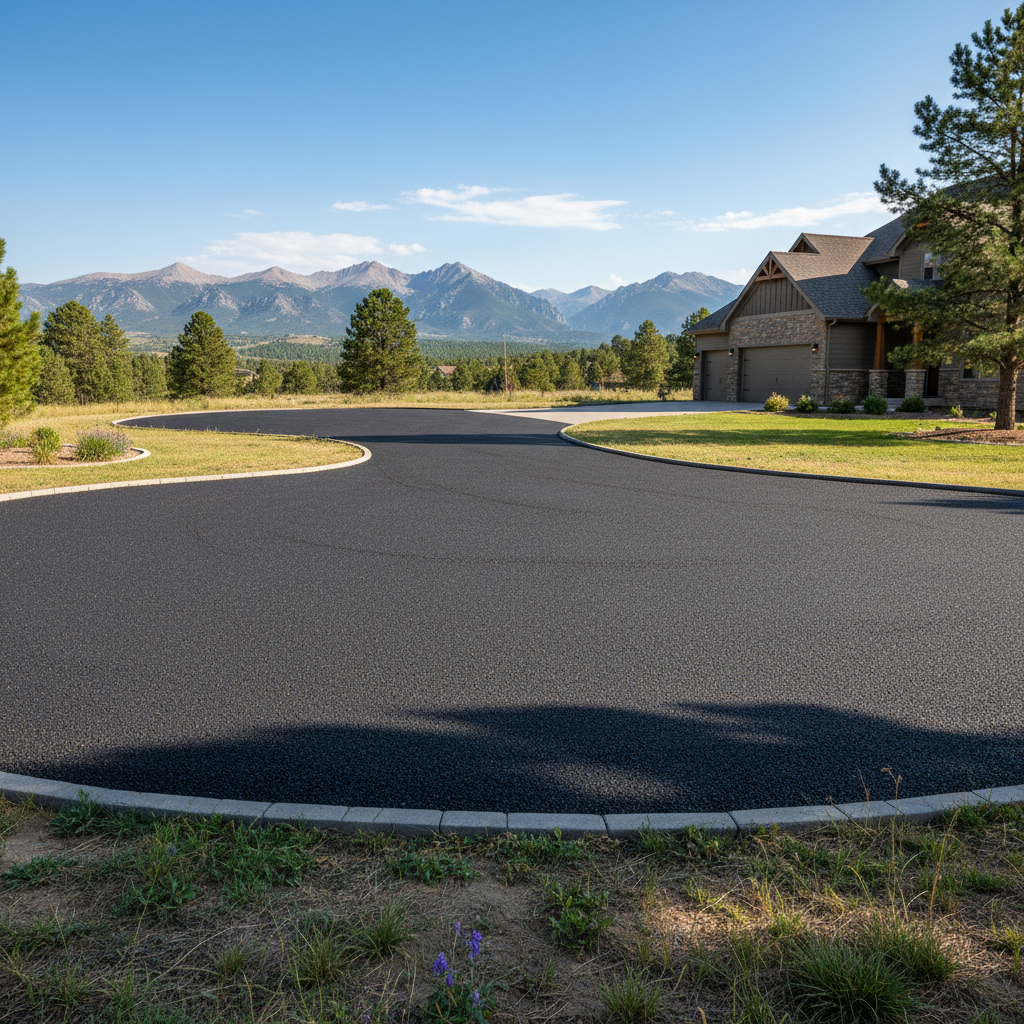
So, you've got asphalt milling done, maybe for a new driveway or a refreshed parking lot. That's a solid, cost-effective solution, especially here in Colorado Springs, where the ground can really shift and our weather swings are wild. But just because it's tough doesn't mean you can ignore it. You want that surface to last, right? Let's talk about how to keep it looking good and performing well for years.
Extending the Life of Your Milled Asphalt
The biggest thing you can do to make any asphalt last longer, including milled surfaces, is to keep water out. Water is asphalt's worst enemy. It seeps into cracks, freezes, expands, and then you've got potholes and crumbling edges. With milled asphalt, you'll often find a slightly rougher surface texture than brand new paving. This can sometimes make it a bit more susceptible if you don't seal it properly.
First off, make sure your drainage is good. If water is pooling on your milled surface, that's a problem. You might need to add a small swale or adjust the grade a little to direct water away. Here in the Springs, with our intense afternoon thunderstorms in the summer, proper drainage isn't just a suggestion — it's absolutely necessary. We've seen plenty of driveways on the west side of town, especially in areas like Rockrimmon, get hammered by runoff when the grading isn't right.
Secondly, sealing is your best friend. A good sealcoat acts like sunscreen and a raincoat for your asphalt. It protects against UV rays, which dry out the binder in the asphalt, making it brittle. Plus, it creates a barrier against water, oil, and other chemicals. For milled asphalt, I usually recommend waiting a few months after installation for it to fully cure. Then, get a quality sealcoat applied. After that, every 2-3 years is a good general rule, depending on how much traffic it sees and how much sun it gets.
Regular Maintenance: Simple Steps, Big Impact
Keeping your milled asphalt in top shape isn't rocket science, but it does require a little attention. Think of it like taking care of your car – small, regular check-ups prevent bigger, more expensive problems down the road.
- Keep it Clean: Sweep off dirt, leaves, and debris regularly. Organic matter can trap moisture and break down over time, creating a hospitable environment for weeds. Also, dirt just holds water against the surface.
- Address Spills Immediately: Oil, gas, and other automotive fluids are harsh on asphalt. They dissolve the binder, weakening the surface. If you see a spill, clean it up with an absorbent material like cat litter or sand, then scrub with a mild detergent and rinse. Don't let it sit there.
- Weed Control: Weeds and grass can grow through cracks, especially in milled surfaces that might have more seams or a slightly less dense top layer if not compacted perfectly. Pull them out by hand or use a weed killer. If they're growing through cracks, you'll need to seal those cracks after removing the weeds.
- Snow and Ice Management: Be careful with snowplows. If you're plowing, make sure the blade is set just above the surface to avoid gouging. Try not to use de-icing salts too much, as they can be hard on asphalt over time. Sand is a better option for traction if you're worried about chemicals.
Warning Signs of Trouble
You don't need to be an asphalt expert to spot problems. Just walk your surface once a month or so, especially after big storms or temperature swings. Here's what to look for:
- Cracks: Any crack, big or small, is an open invitation for water. Hairline cracks might just need a good sealcoat. Wider cracks (say, a quarter-inch or more) need to be filled with a hot-pour crack filler. Don't ignore them.
- Potholes: These are usually a sign that water has gotten under the surface and frozen, expanding and breaking the asphalt. Small potholes can often be patched, but larger ones might indicate a deeper issue with the base.
- Raveling: This is when the aggregate (the small stones) starts to come loose from the surface, making it look rough and crumbly. This can happen from UV damage, water intrusion, or just general wear and tear. It means the binder is failing.
- Pooling Water: As I mentioned, water should drain off. If you see puddles forming and lingering, you've got a drainage issue that needs fixing before it causes bigger problems.
- Soft Spots: If an area feels spongy or soft when you walk or drive over it, that's a red flag. It means the base layer underneath is likely compromised by water.
When to Call a Professional
Look, some things you can handle yourself, like sweeping or cleaning up a spill. But for bigger issues, it's always best to call in the pros. You should definitely get in touch with Alpha Asphalt Company if you see:
- Widespread cracking or alligator cracking: This looks like a series of interconnected cracks, like an alligator's skin. It means the surface is failing structurally, and that usually requires more than just crack filling.
- Large potholes or multiple potholes: While you can patch a small one, a lot of potholes or really big ones often point to a failing base layer. We can assess the situation and recommend the right repair, whether it's patching, milling and overlaying, or a full reconstruction of that section.
- Significant raveling or crumbling: If your surface is losing a lot of aggregate, it's past the point of a simple sealcoat. You might need an overlay or more extensive repair.
- Drainage problems you can't fix yourself: If water is pooling and you can't figure out why or how to redirect it, we can come out, assess the grading, and suggest solutions.
- Any issue that makes you scratch your head: If you're unsure, just call. It's better to get a professional opinion early than to let a small problem turn into a huge, expensive headache. We're here to help you keep your investment solid.